TravelJapanBlog.com - Japan (07, 09-10, 13), Denmark (08, 11, 16-19, 21, 24), Korea (13), Poland (21), Mexico (14, 15, 19, 26), Iceland (17, 19), Hawaii (14, 17, 22), Czech Republic (16, 17, 19, 21)
The above will search Traveljapanblog.com.
Concerts - Landscapes - Sports


Posts tagged buddhist

Yanaka 谷中 Tokyo

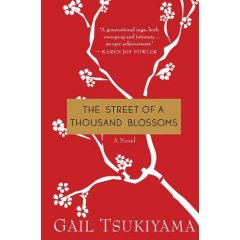
The Street of a Thousand BlossomsI just started reading a book called The Street of a Thousand Blossoms by Gail Tsukiyama. I say “just started,” but I’m actually more than half done with it in just two days. It is conjuring up all sorts of memories of my time in Japan.

Even though we only spent a few nights in Yanaka last year, it became a magical place in my head. This probably has more to do with the fact that it was the first place I’d been to in Japan in 20 years than anything else. But maybe, just maybe, Yanaka is a magical place.

Tsukiyama’s book is set mostly in Yanaka (for the first half of the book anyway), and I really feel like I’m there again as I read it. When she speaks of the temple bell (or gong) being stuck 108 times on the New Year (joya no kane) I think back to visiting Zenshoan (全生庵寺院‎) in the Yanaka neighborhood with its gold Buddha and beautiful Zen Buddhist bell pictured below.

Yanaka Zenshoan Bell

The title of the book refers to the path through Yanaka Cemetery (谷中霊園) between Tennoji and Jomyoin (loads of jizo here and all over the streets and temples in the Yanaka area).

I’ll post more once I finish the book in a few days.

Yanaka Zenshoan Jizo

The above photo shows some Yanaka jizo.
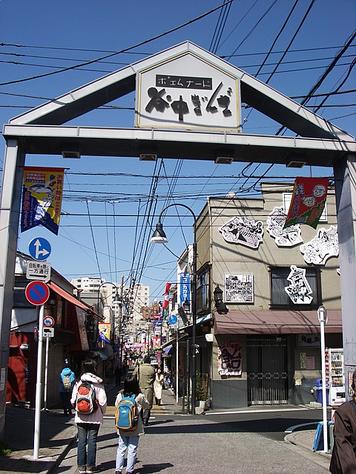
Yanaka Ginza

The above picture is of the Yanaka Ginza (谷中銀座) frequently mentioned in the book.

Tennoji Yanaka Buddah Statue

We got lost one time coming out of the wrong exit at Nippori Station and ended up at the large Buddah statue in Tennoji pictured above. We then walked through the Yanaka Cemetery, the “street of a thousand blossoms,” purchased and ate yakiimo (baked sweet potato) from an old man selling them out of the cart he cooked them in, and chatted with some people who were enjoying the evening hanami (the cherry blossom viewing parties; there weren’t yet really many blossoms in Tokyo though).

That experience was, by far, the best time I’ve ever had getting lost.

Fushimi Inari Taisha (伏見稲荷大社), Part IV of V

I finished sorting through my Fushimi Inari pictures and, although difficult to do so, cut the remaining pictures I will share with you down to seven. You’ll get three today and the last four tomorrow. (Remember that these pictures look far better if you click on them. Also, if you have a monitor with screen resolution settings of something higher than 1024 x 768 and your browser maximized you’ll have better results.)

restaurant Fushimi Inari Taisha 伏見稲荷大社

After walking (generally upwards) through a few hundred yards worth of torii we came upon an empty restaurant. We hadn’t eaten breakfast yet so this was perfect. The setting for the eating place was spectacular. We could look out over the groves of trees, bamboo, and torii gates while eating in this peaceful setting. We were perched slightly above everything so the views were wonderful.

In the above photograph you can see the tokonoma (床の間 or decorative alcove usually featuring a scroll) with ikebana (生け花 or flower arrangement) and also some reserved tables (予約席). The floor is made of tatami (畳) mats.

eating at Fushimi Inari Taisha 伏見稲荷大社

inarizushiThe lighting in the above picture is not so good, but you can sort of see how marvelous the views are from this restaurant.

What does one eat at the main Inari shrine dedicated to kitsune? We ordered inarizushi and kitsune udon of course.

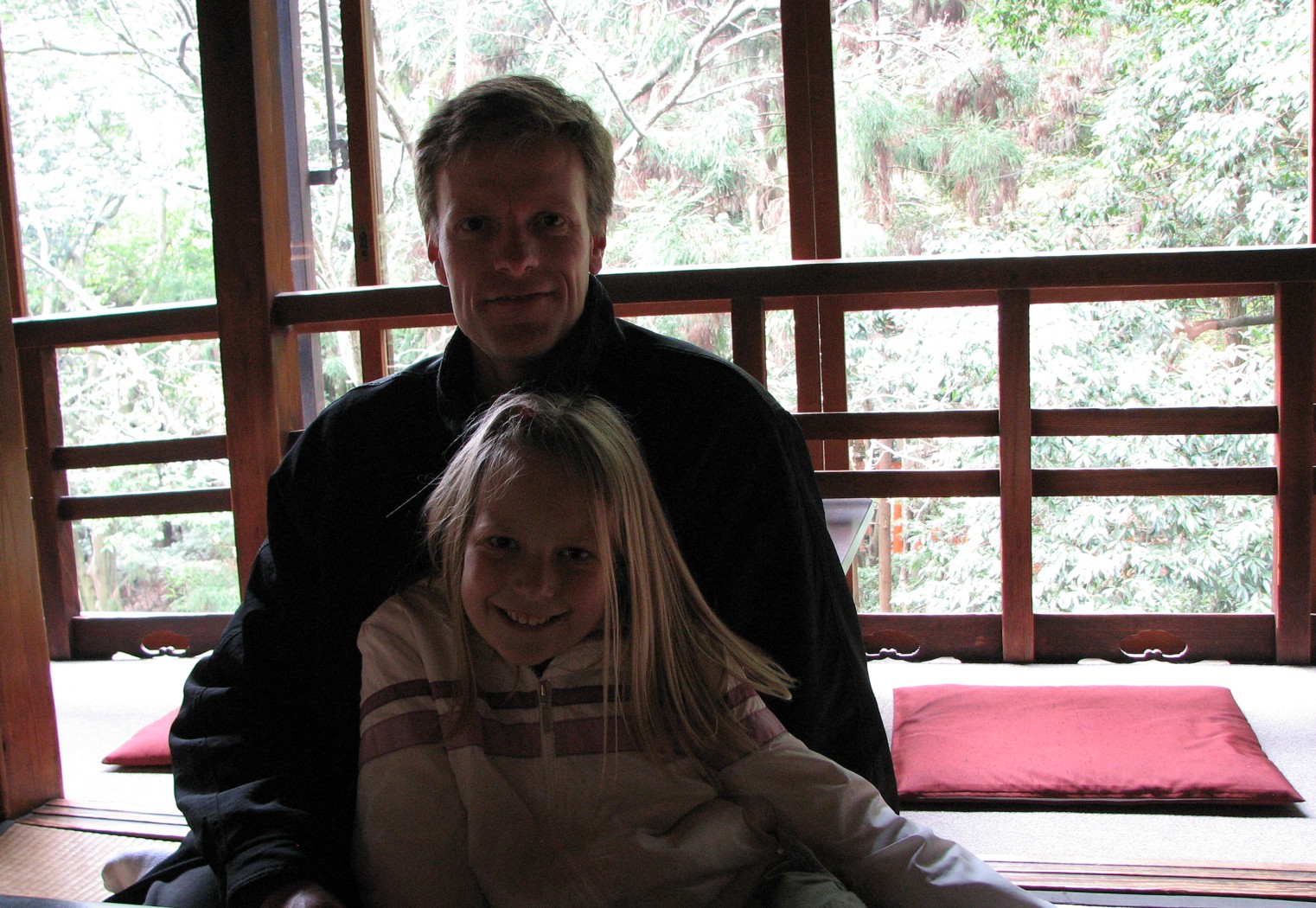
kitsune udonThe food was good and my daughter (pictured above with me) now considers inarizushi to be her favorite food. I enjoyed talking in Japanese with the old lady from across the road. It was from her house that the food came. I said this was a restaurant, but it wasn’t in the typical sense as no food preparations went on there. All of the food was cooked and brought over from the house across the dirt path. This place was simply for eating.

Japanese Lantern Fushimi Inari Taisha 伏見稲荷大社

After eating we headed down the path instead of farther up. We didn’t actually make it to the main shrine at the top of the hill, but that just means we have to go back someday to explore in more detail. 😉 We were departing the country in a few hours so we didn’t have time to take all of the paths.

The way down was a different path than the way up and featured many shrines (even a Buddhist one or two). The Shinto one pictured above has a plaque that says 玉姫大社 (jewel princess big shrine or tamahimetaisha). 玉姫 has to do with wedding places so I’m guessing this shrine has something to do with weddings; perhaps offerings are left here to wish for a successful marriage. Tamahime Taisha featured the first of the many Japanese lanterns we were about to see along this exit path.