TravelJapanBlog.com - Japan (07, 09-10, 13), Denmark (08, 11, 16-19, 21, 24), Korea (13), Poland (21), Mexico (14, 15, 19, 26), Iceland (17, 19), Hawaii (14, 17, 22), Czech Republic (16, 17, 19, 21)
The above will search Traveljapanblog.com.
Concerts - Landscapes - Sports


Archive for Korea

Leg kick swing

Lee Yong-Kyu 이용규 kia tigers Doosan Bears Choi Jae-Hoon 최재훈

Lee Yong-Kyu (이용규) of the Kia Tigers with Choi Jae-Hoon (최재훈) of the Doosan Bears catching

Sadaharu Oh may have been the first professional baseball player to implement a leg kick into his swing. It is a rare sight in MLB these days. Maybe Hunter Pence does one? Any others? In any event, the leg kick is fairly common to see in Korean and Japanese professional leagues.

“Korean” food

korean food spicy chicken pop corn pancakes with syrup

Spicy chicken flavored pop corn and pancakes with syrup inside

Both of these looked promising when I was in Korea last summer looking for something to eat. Both were disappointing.

Geumgang Park (금강공원)

Geumgang Park 금강공원

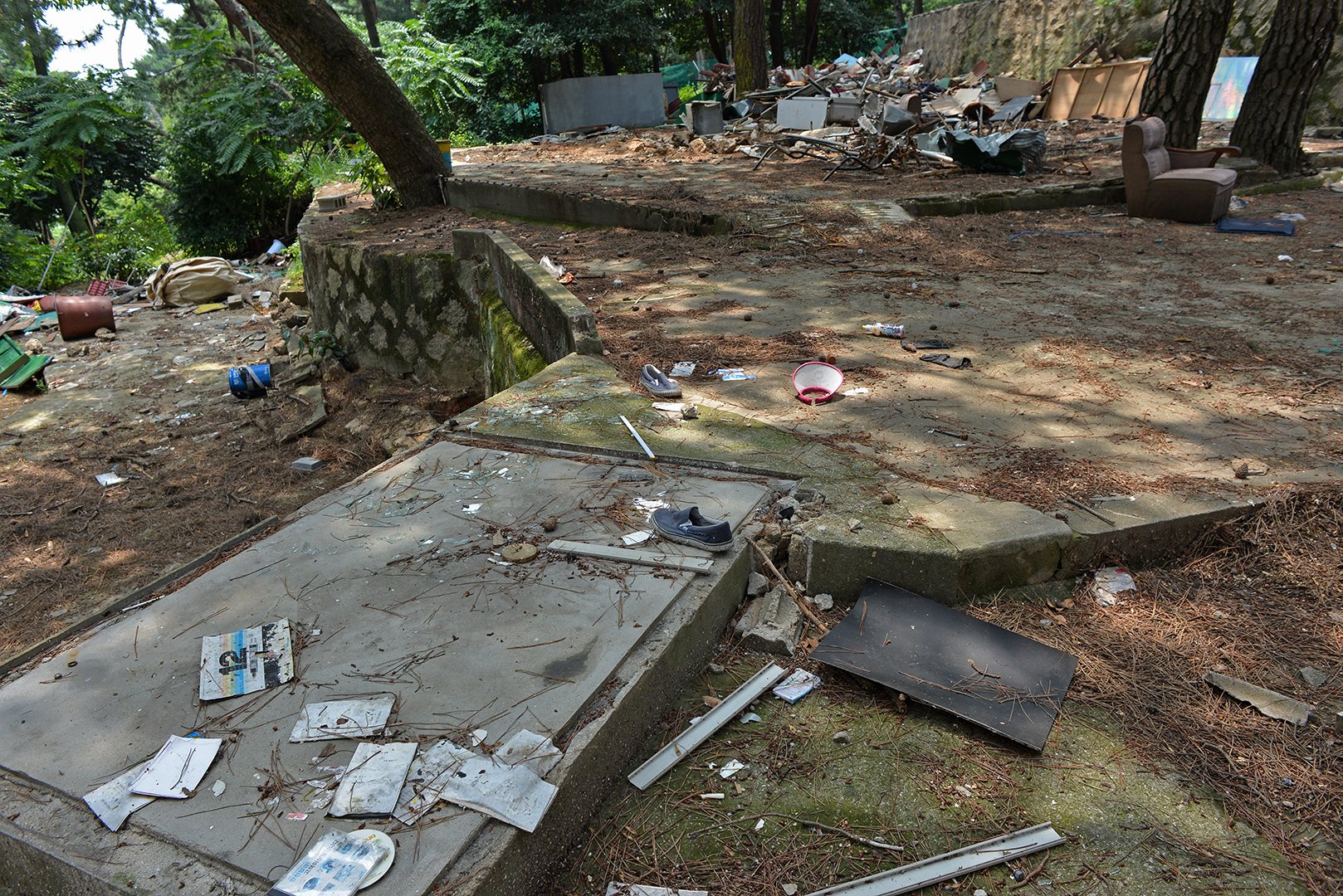
Geumgang Park has seen better days

I went to Geumgang Park in Busan, South Korea in order to eventually make it to the fabled Seokbulsa. The park looked substantial at the gate. There were several employed men of the park standing around talking with each other. I asked them where I could find the cable car and they ignored me. Maybe they would understand the word ropeway? They scowled at me and kind of looked in a direction which I proceeded to follow. The park looks like it was once thriving, but perhaps they stopped maintaining it once they removed the admission fee in 2004. The rides weren’t operating and didn’t look like they had been for years.

I walked along the path with garbage and ruins on either side in order to get to the cablecar that would take me to the top. I was almost surprised to see it functioning, but I was able to go up and explore.

Geumgang Park 금강공원 garbage

Geumgang Park garbage

Anti-Japanese sentiment in Asia

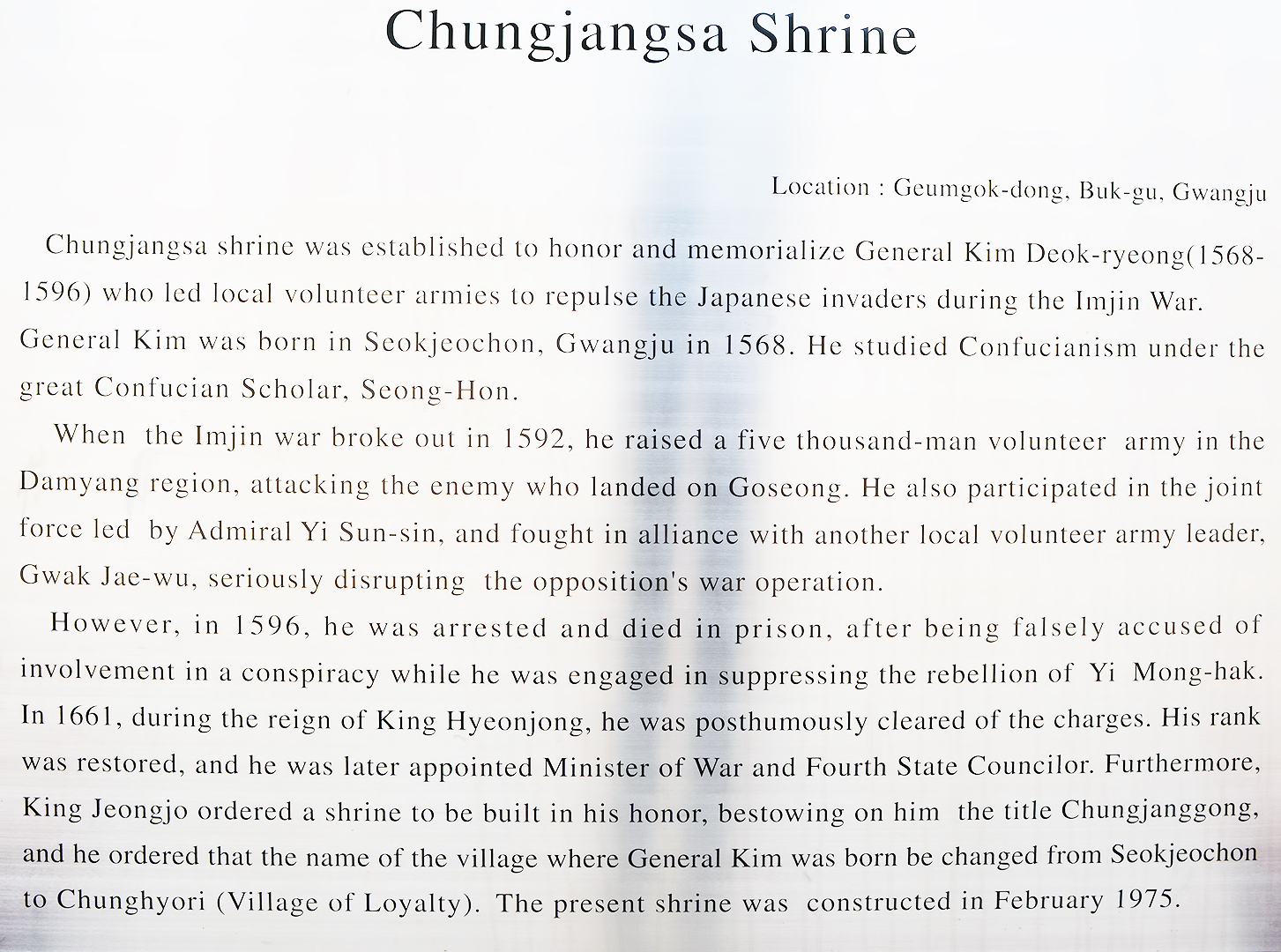
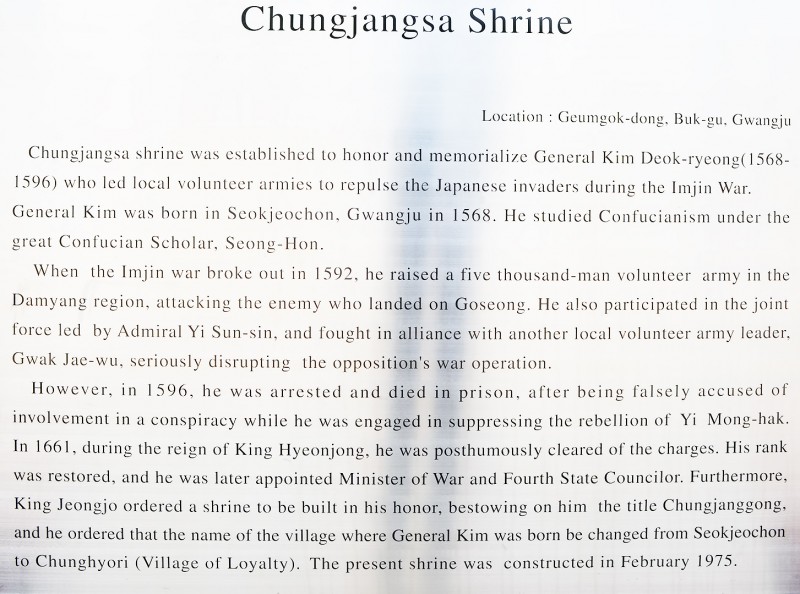
chungjangsa shrine description sign anti-japanese

Chungjangsa Shrine sign

I always knew of the continuing tensions between Japan and other Asian people, but I never realized the extent of the seemingly never-ending animosity until I actually went to China and Korea. I quickly learned to stop telling people I met in China and Korea that I had lived in Japan for three years and could speak Japanese as I could tell it tainted me in their eyes.

Signs in English in Korea are few and far between, which is fine since it’s Korea. I shouldn’t expect things in English while in Korea. However, it seemed like when I did see a rare sign in English at a museum, shrine, or monument it was mostly anti-Japanese in nature. Words like enemies, invaders, and other harsh terms were the norm rather than the exception when it came to describing the Japanese. Now if these signs were put in place in the 1940s or 1950s I could understand, but they were all quite recent. I’m guessing the history textbooks written in Korean are just as bad if not worse. I’m not saying that they should whitewash history; however, history can be written honestly without instilling anti-Japanese propaganda.

Will the Chinese and Korean people reach a point where they can forgive and move on? I mean it’s been more than 60 years! The vast majority of currently living Japanese weren’t alive during the occupation.

For those of you living in the USA, imagine if everything in the U.S. describing any country who had done us wrong in the past was extremely negative. Imagine if when we talked about Britain, Germany, Japan, Italy, and every other country we’ve been at war with in our past we referred to them as the enemy or used similar terms?

Above the humidity

above the humidity south korea japan

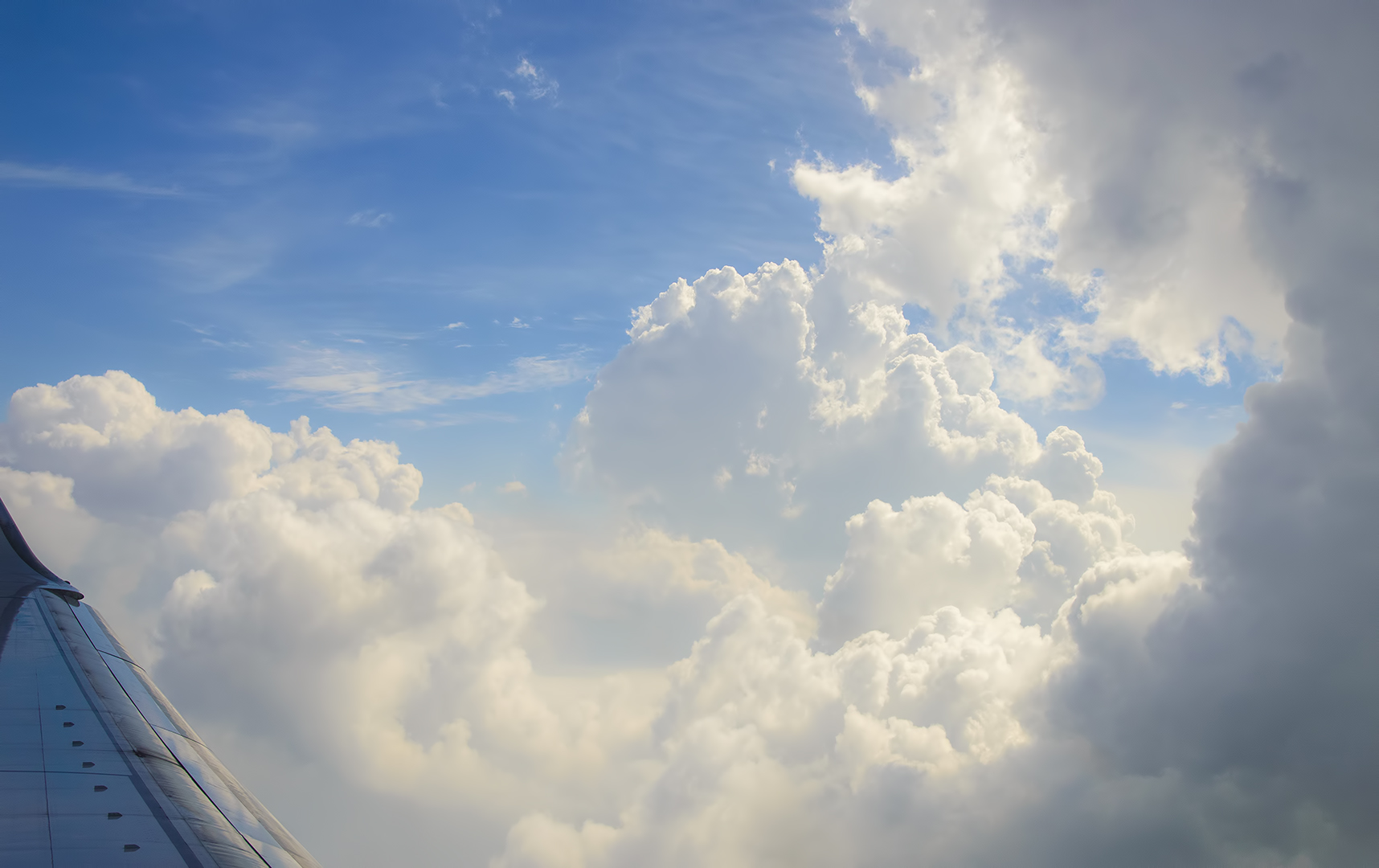
above the clouds somewhere between South Korea and Japan

June, July, and August in South Korea and Japan feature intense humidity. The skies are usually white, not with fluffy, moving, picturesque clouds like you see in Copenhagen this time of year but with hazy clouds that seldom seem to move or dissipate. Such were the conditions when my plane departed from Gwangju. Soon, I realized, the clouds were far more interesting on the other side where they were quite lovely, especially next to the blues that I had so rarely seen in the prior months.

Gwangju Museum of Art

Gwangju Museum of Art 광주광역시립미술관

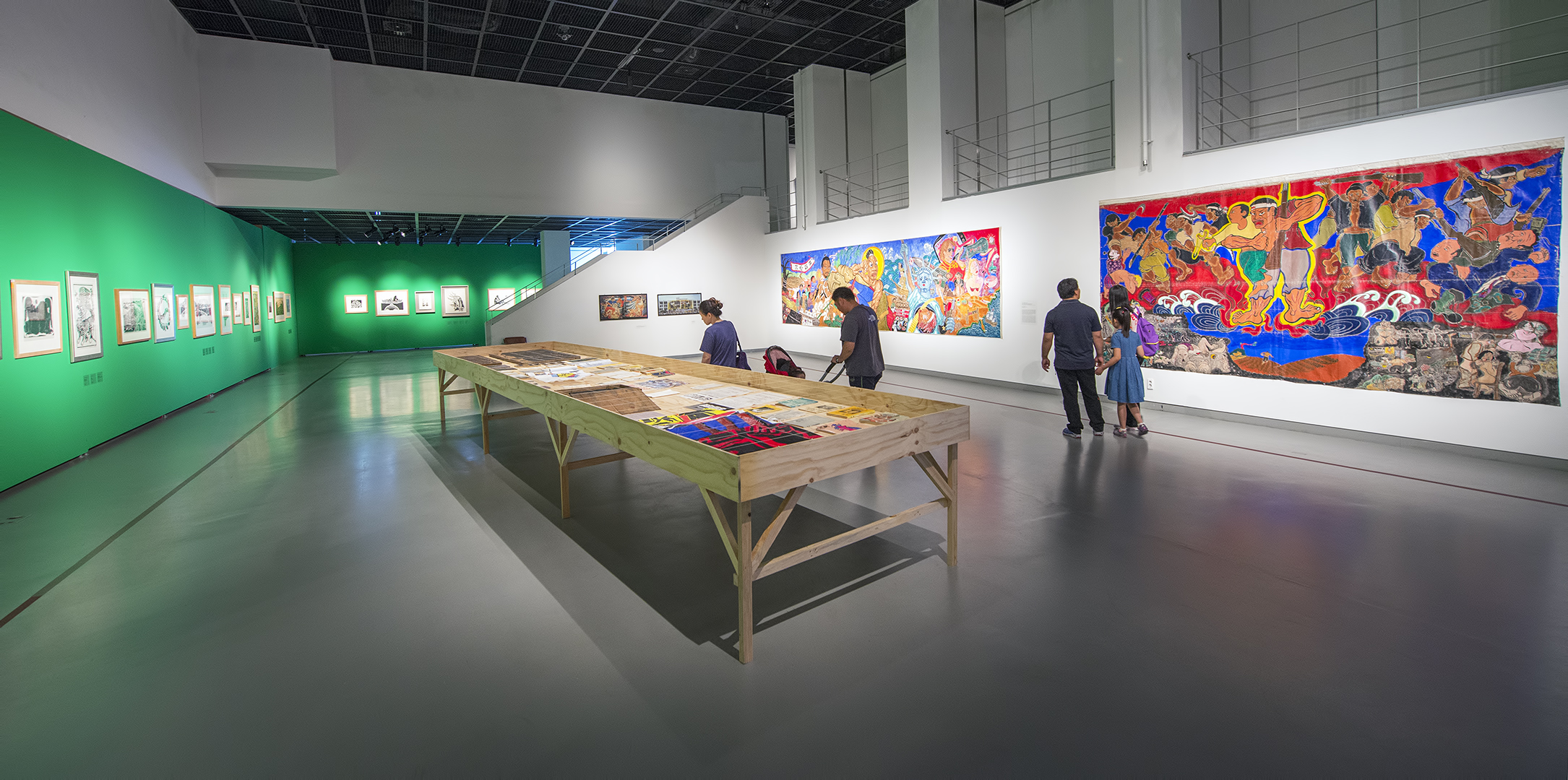
Gwangju Museum of Art (광주광역시립미술관)

Gwangju’s City Art Museum is a somewhat unusual place. It’s a bit hard to get to (I rode my bike) as it isn’t near a subway or train station (much of Gwangju shares this same fate including Chonnam National University). So I wasn’t surprised when the place (in a city of 1.5 million people) was nearly empty. What was surprising is that photography of the works is not allowed. Even though Gwangju loves getting the word out about Gwangju’s May 18 massacre, and many of the works depicted scenes from that event, I asked if I could take photos and they said “no, only a general photo of the museum” (above). This seemed strange for a number of reasons, not just because you’d think they would want information about the massacre spread. The museum wasn’t crowded, the works weren’t famous, and (like Italy and some other museums where photography is prohibited) they weren’t trying to get visitors to buy postcards instead of take photos.

Anyway, this isn’t a museum you will want to travel to Korea in order to visit. If you are in Korea you won’t even want to go to Gwangju to see it. However, if you are stuck in Gwangju for a month or more and are bored out of your mind, you may want to check it out on a day when the weather isn’t so good and you have nothing else to do.