Gwangju
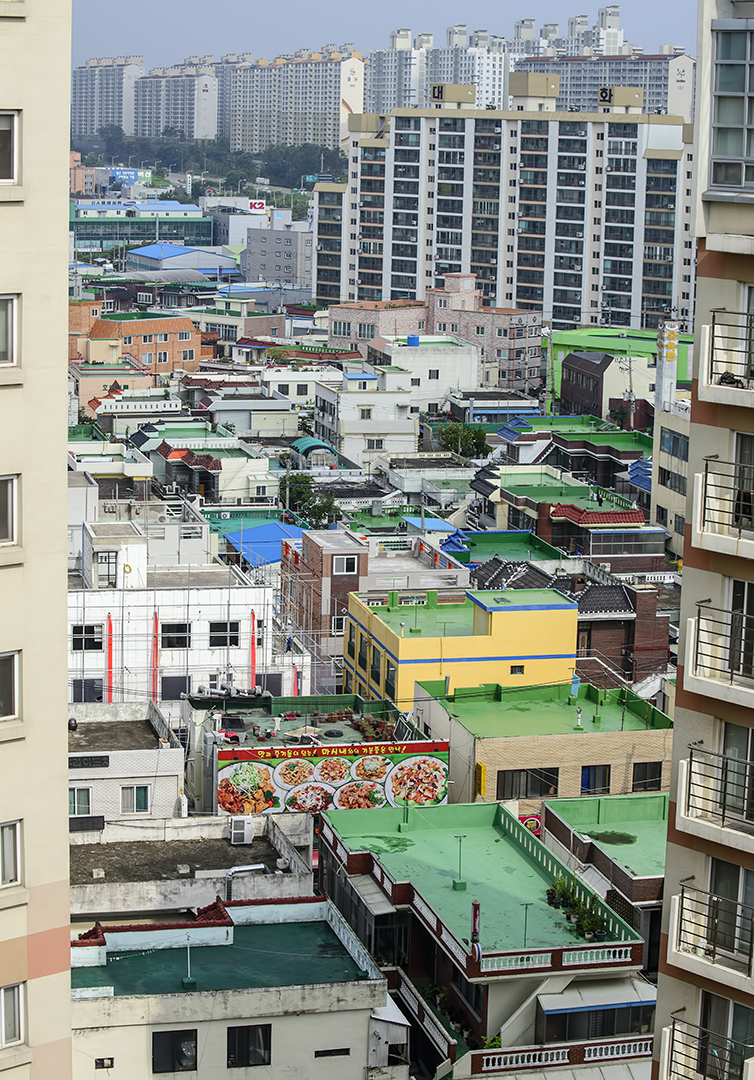
Gwangju, South Korea
It’s Tuesday, and you know what that means…
|
The above will search Traveljapanblog.com. Concerts - Landscapes - Sports |
Gwangju, South Korea
It’s Tuesday, and you know what that means…
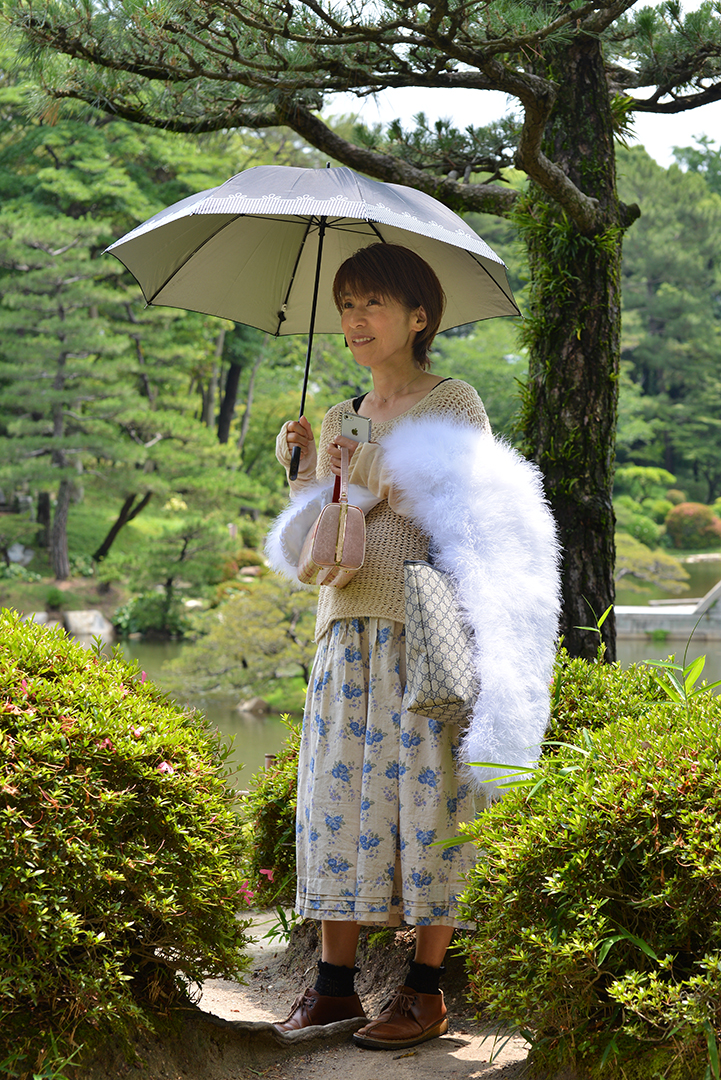
Japanese lady in Shukkei-en (縮景園)
A Japanese girl was going through a photo shoot in full kimono in Hiroshima’s Shukkei-en (perhaps for her coming of age or seijinshiki or 成人式). My self-appointed personal guide asked the photographer if I could take some photos of her too, and they were all too happy to oblige. However, the model’s smiles all looked a little forced and unnatural in the dozen or so photos I took. I took one of her mom watching her daughter have her picture taken and found her smile to be far more genuine.

Night View from my residence (5F) in Gwangju, South Korea
I haven’t noticed this in any other country I have visited, but in Korea, when the sun goes down and the lights come on, you can’t find a view that doesn’t include at least one lit up cross. Sometimes you can see several. Usually they are red, but sometimes they are white or blue.

KIA Tigers cheerleaders
Currently in Korean professional baseball it is standard practice to have four female cheerleaders and one male head cheerleader who has a whistle, microphone, and who does all the talking. While professional Japanese baseball teams have cheerleaders too, they are usually positioned in the outfield seats, and their voices aren’t running through speakers. In Gwangju the cheerleaders are basically on the dugout with a rack of speakers behind them so it can be really loud. Even though I didn’t understand a word he said, I will be able to remember his voice forever.
The V11 on his uniform is for “Victory 11” as the Tigers have won the Korean baseball championship a country-best ten times. I thought this was a KIA Tigers thing, but when I went to the Lotte Giants game in Busan, their head cheerleader had a V3 on his uniform. It looked pretty pathetic to wear such a thing when your competition is sporting a V with a much higher number.

Kim Jae-Hyun (김재현) steals second


As I mentioned elsewhere, I went to Busan, in part, to check out Sajik Baseball Stadium (사직야구장). I saw the SK Wyverns take on the Lotte Giants. To be perfectly honest, I was a bit disappointed.
Wiki calls Sajik Baseball Stadium the “mecca for Korean baseball”, but I find the games in Gwanju at Mudeung Baseball Stadium (RIP in 2013) to be much more fun. Everyone is closer to the field. The seats are closer together. The people are friendlier, and even though there aren’t nearly as many fans in attendance, they somehow sound louder. New ballparks with all of their frills just can’t capture that old ballpark feel.
The KIA Tigers fans are all anxiously awaiting the opening of their new stadium for next season, but they may be losing something, something magical, in the move from their old digs.

Henry Sosa of the KIA Tigers
It feels like I’m stabbing my best friend in the back by saying this, but watching professional baseball in Korea (한국프로야구) is second to none. The players may not be as good as those found in Japan or as those playing in MLB, but watching a game with the crazy fans in Korea is a fantastic experience. Perhaps it is in part because I am in Gwangju and the fans for the local KIA Tigers are the craziest. For instance, when I watch a KIA Tigers away game on TV, the fans for the visiting KIA Tigers team are louder than those for the home team. When do you see that in the USA or even Japan?
Today’s photo is of Henry Sosa, formerly of the Houston Astros, who is one of two foreign players on the Tigers. Korea, like Japan, limits its foreign players to two per team. Unlike Japan, most, if not all, of the foreigners in Korea are pitchers. I have yet to see a single position player. Sometimes the starting pitching in a Korean Professional Baseball game will be foreigner against foreigner. Why? I don’t know. The Japan leader board for hitting is filled with foreigners, year after year. Josh Whitesell, Dae-ho Lee, Wily Mo Pena, Jose Ortiz, Casey McGehee, Alex Cabrera, and others have put up big numbers in Japan in recent years, but for some reason Korea seems to sign only pitchers. Maybe they feel like pitching is the area they need the most help?