Eurasian oystercatcher
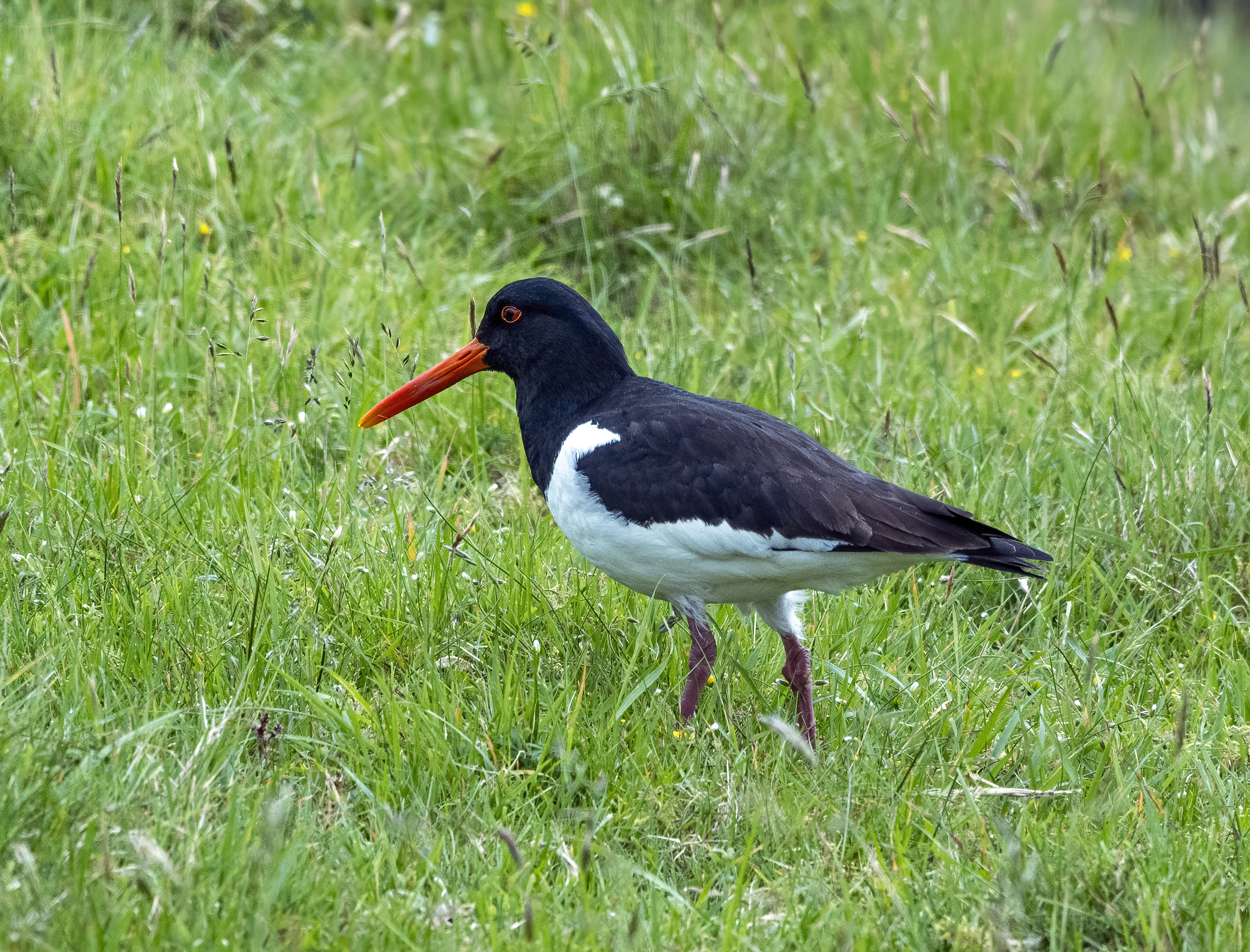
Tjaldur in Kirkjubøur, Faroe Islands (July 2021)
|
The above will search Traveljapanblog.com. Concerts - Landscapes - Sports |
Tjaldur in Kirkjubøur, Faroe Islands (July 2021)

666 in Klaksvik (Faroe Islands)

Tórsvøllur (Faroe Islands)
When I lived out of a camper in Iceland for several days, I could clean up at the hot springs along the roads I was travelling. Not so in the Faroe Islands where there aren’t any hot springs. Instead, I headed to the local swimming pool every day. The one in the capital of Tórshavn is next door to the national soccer stadium where I took this photo.
That looks pretty small for a national stadium you may be thinking, but the capacity is actually almost half of the entire population of the capital. A similarly proportioned stadium in, say, Tokyo would have a capacity of 7 million so… it’s a relatively big stadium.
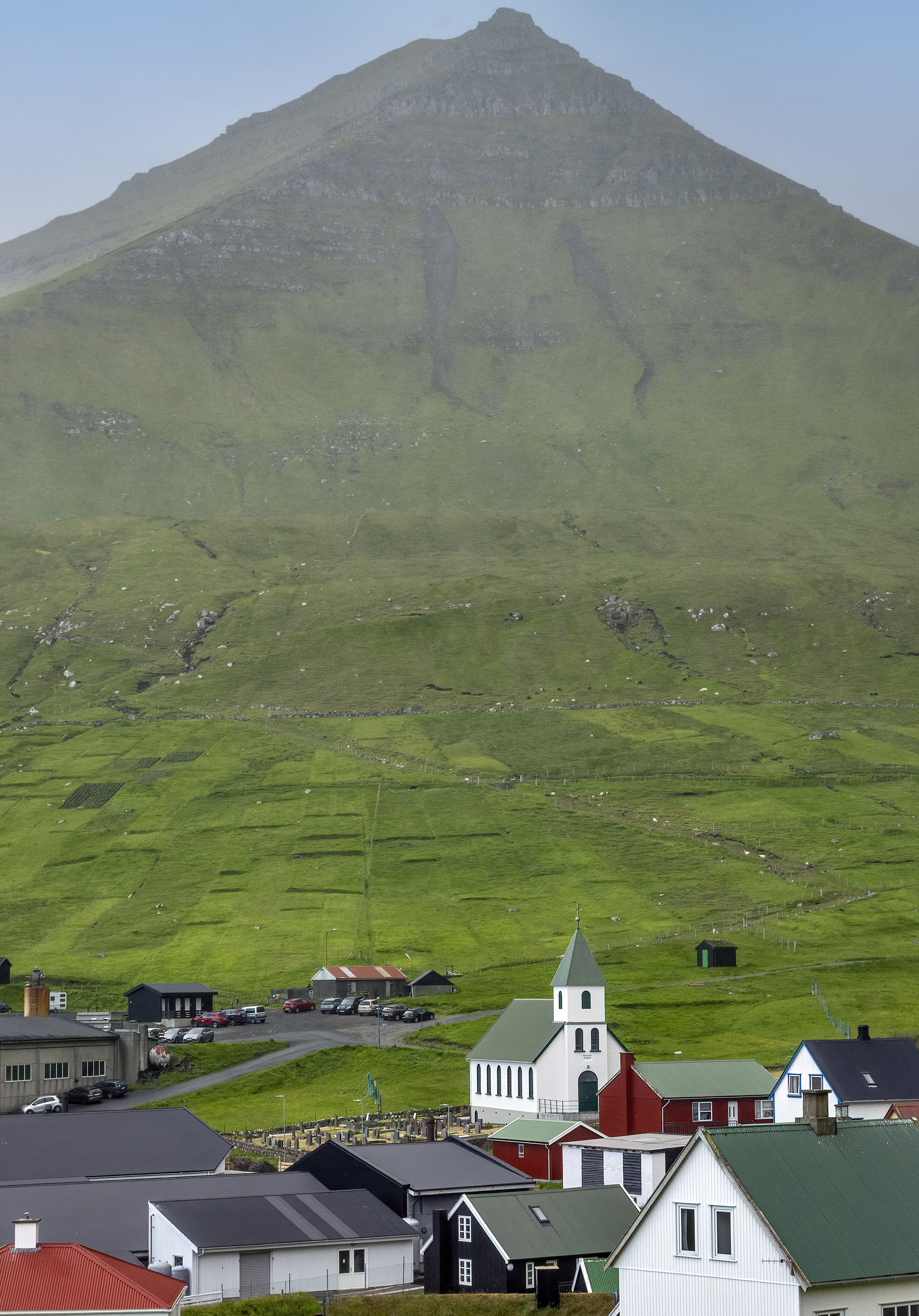
Gjógv Kirkja (Faroe Islands)
Egypt is what you think of when you hear the word “pyramids”, but maybe you should also be thinking about the Faroe Islands…

Eiði Church, Faroe Islands
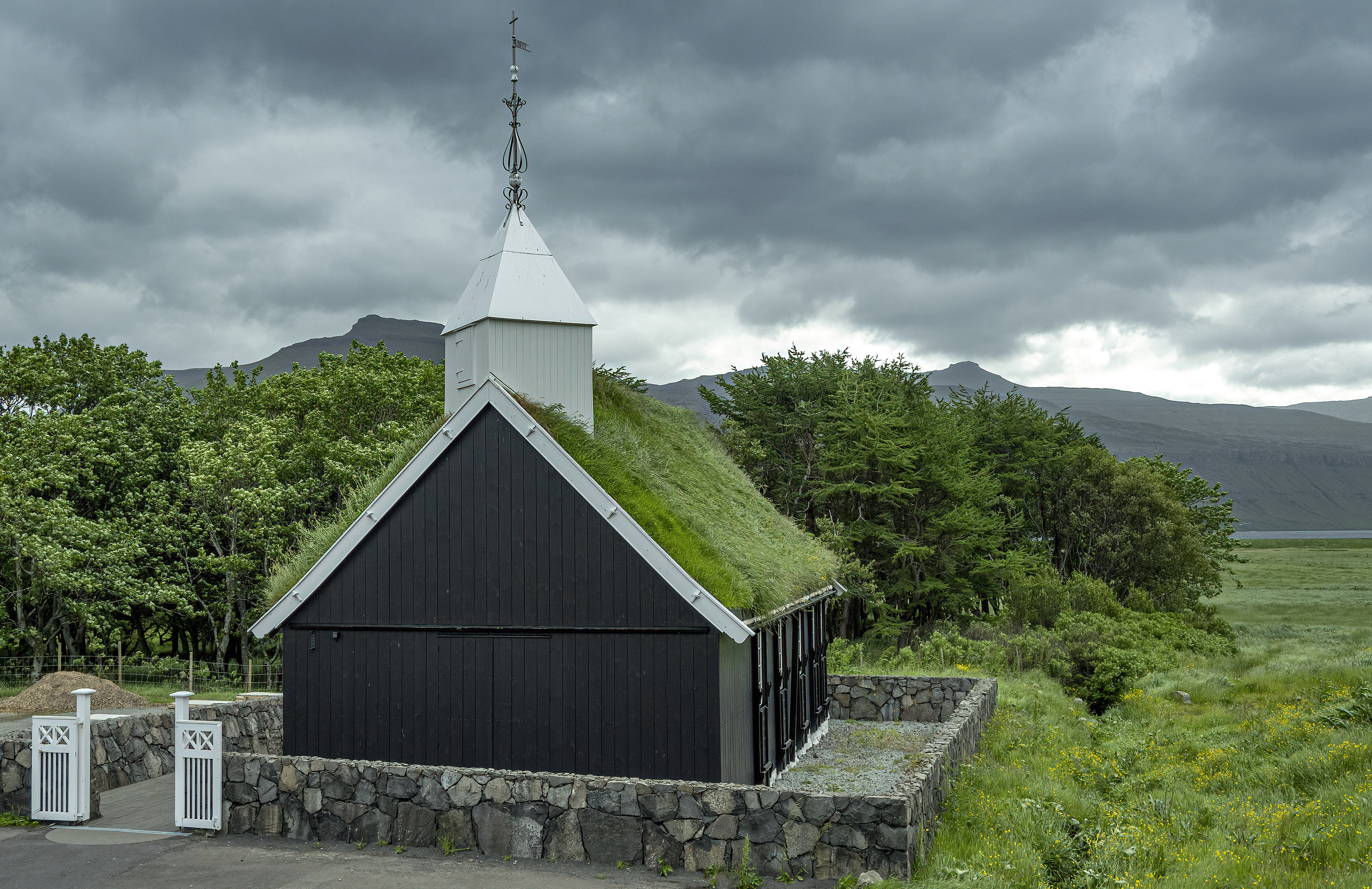
Hvalvík, Faroe Islands (July 2021)
from Wikipedia:
“The Church in Hvalvík is a traditional wooden church dating from 1829, built because the old Church from 1700 was ruined in a storm. It is the third oldest Church in the Faroe Islands, though the oldest of the traditional wooden black churches. The Church is built with wood bought from a ship that ran aground in Saksun in 1828. The architecture is typically Faroese, with no stone foundations. The pulpit dates back to 1609 and was originally in the Church in Tórshavn.
The famous Bishop Alexander was raised in Hvalvík, in a place called Frammi við Kráir. Legend has it, that he was the first to import knives and forks.
The Church was featured on Faroese stamps issued in 1997.”
