Religious rites on a holy mountain side

As we came down the trail (one of many and I have no idea which one) on Mt. Takao we found ourselves alone with a priest and a waterfall.
|
The above will search Traveljapanblog.com. Concerts - Landscapes - Sports |
As we came down the trail (one of many and I have no idea which one) on Mt. Takao we found ourselves alone with a priest and a waterfall.
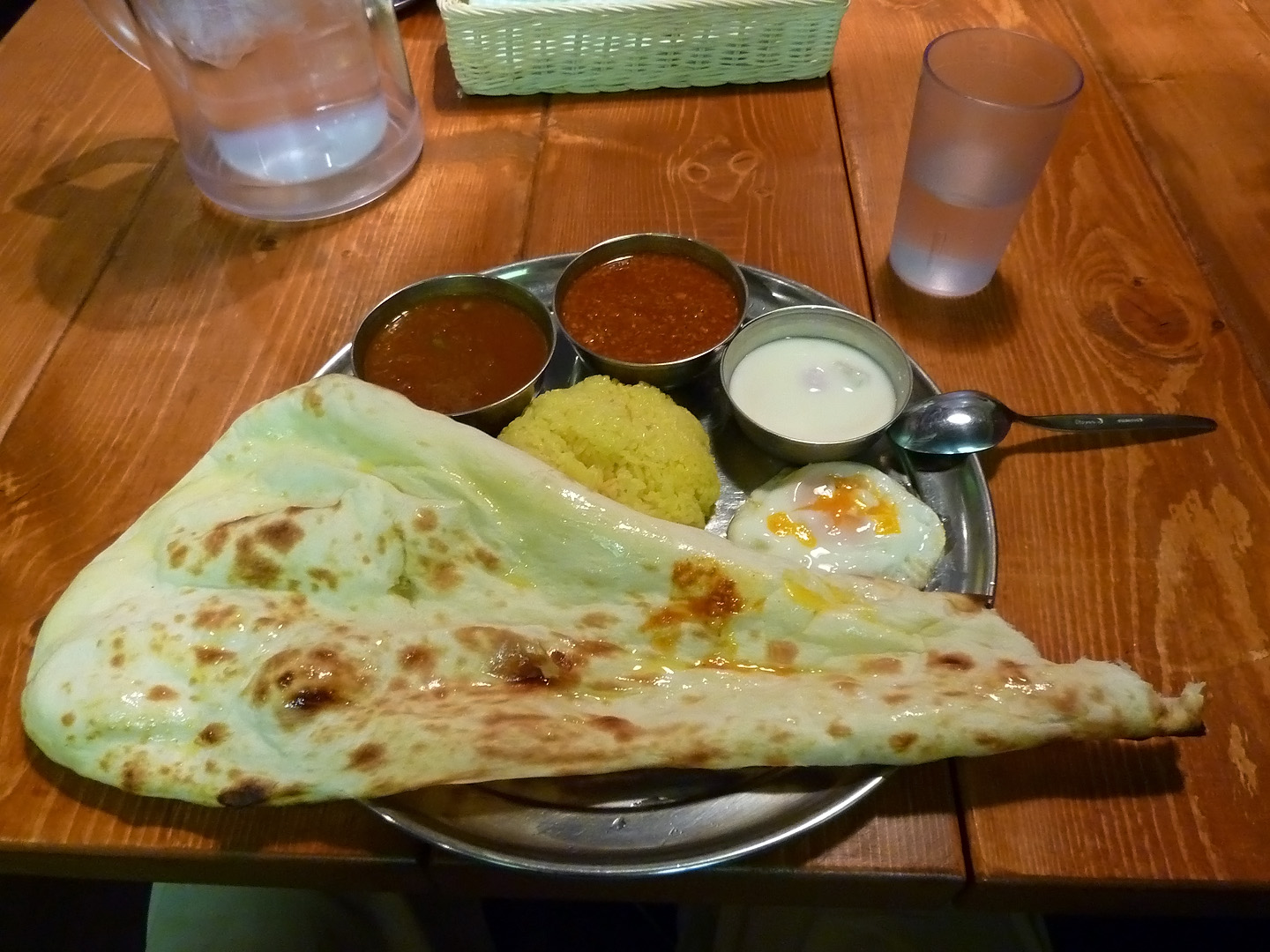
インド定食 ターリー屋 西早稲田店
Right next to Waseda University is an Indian Restaurant that I frequented about once a week. If I arrived before a certain time (11 a.m. I think) they had some great deals. Since my class ended a half hour before the time cutoff I’d arrive for the special, which was just a few hundred yen and consisted of a few curries, rice, naan, and an egg. Seeing this photo again I can almost taste my old usual order.

The grounds for this Inari Shrine are part of the Buddhist temple on Mount Takao formally known as Takao-san Yakuo-in Yuki-ji, and most commonly known as just Takaosan Yakuoin (高尾山薬王院). This place was supposedly established in 744 on the orders of Emperor Shomu as a base for Buddhism in eastern Japan. I have no way of knowing how long these torii and structures have been around, but I think it is safe to say that they are much more recent creations. This shrine has more Shinto characteristics than Buddhist ones.

Waseda University under a full moon
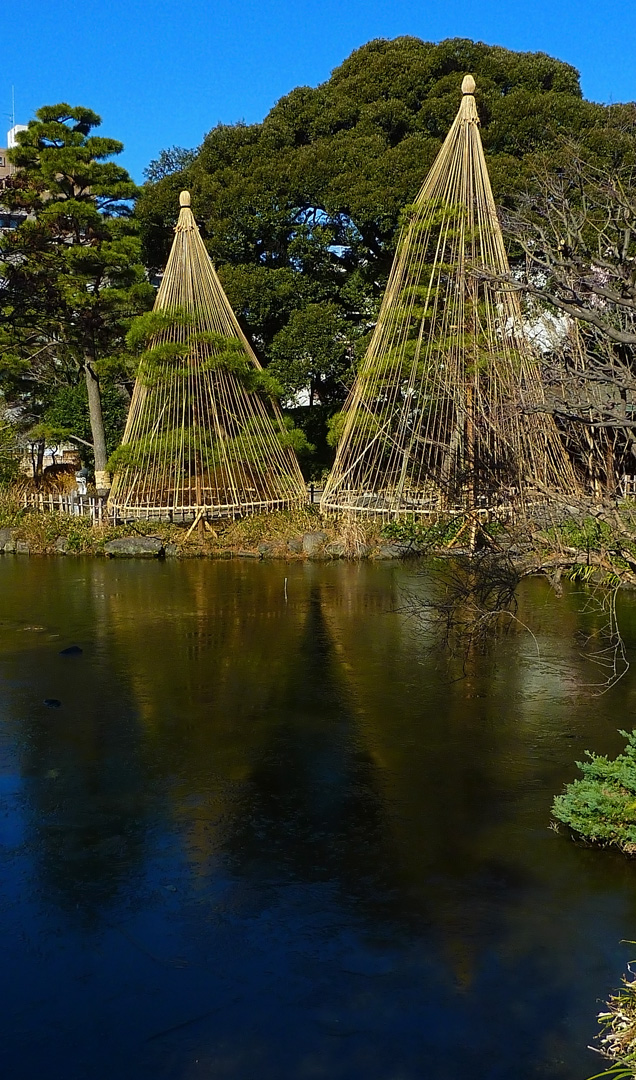
Yukitsuri are common throughout Japan, even in areas that get little or no snow (like Tokyo). These “tree tents” are supposed to save the branches from accumulating heavy snowfall.

If you happen to be in Tokyo this month, head on over to Horikiri Shobuen (堀切菖蒲園) for the annual iris festival. Go on a weekday to avoid the crowds or on a weekend for possible performances and other activities.